
Scalping on the 1-minute chart is where the market stops being slow… and becomes a high-speed battlefield. Price moves fast, volatility hits hard, and every candle tells a story. This style of trading isn’t just a strategy — it’s a mindset. It’s precision. It’s discipline. It’s the ability to make decisions in seconds while staying calm inside chaos.
In this guide, we’ll break down the exact 1-minute scalping strategy framework used by fast traders — from chart setup to entries, exits, risk management, market structure, indicators, and real-world examples.
Before diving in, If you feel 1 min scalping is too fast for you ,warm up with our 5 min scalping strategy first.
A Simple — but Working — 1-Minute Scalping Framework
Most traders fail on the 1-minute chart not because the strategy is bad — but because there is no structure.
A real scalping framework keeps things simple:
1. read the environment
2. wait for alignment
3. execute with tight risk
4. leave the trade fast
There’s no guessing, no chasing every candle, and no gambling on “gut feelings.”
This guide focuses on repeatable rules instead of magic indicators.
Execution matters.
Even the best 1-minute scalping strategy can fail if fees, slippage, or order execution work against you.
If you want platforms that actually fit this framework, it’s worth comparing exchanges based on execution quality — not just marketing claims.
Top 3 crypto exchanges for 1-minute scalping
If you’re looking for a plug-and-play system, this isn’t it.
If you’re ready for a framework that scales with your experience, welcome to the next phase of your trading evolution.
What Is 1-Minute Scalping?

1-minute scalping is a high-frequency intraday trading style where traders aim to capture small, repeatable profits in extremely short market bursts. We’re talking 5–20 trades per session, all based on:
-
-
Micro market structure
-
Rapid liquidity shifts
-
Momentum bursts
-
-
Reactions to key zones
Scalpers don’t chase big trends.
Scalpers hunt momentum fragments.
Also check our AI generated BTCUSDT signals.
Can You Trade the 1-Minute Chart With No Indicators?
Yes — but it’s harder than most traders think.
A pure price-action approach on the 1-minute chart means you rely only on:
• structure
• liquidity
• candle behavior
• volatility shifts
It works best for experienced scalpers who already understand timing and execution.
For beginners, indicators don’t replace skill —
they simply help filter noise and avoid emotional entries.
If price action feels confusing, it’s usually a sign to slow down — not add more tools.
suggested tool:
Crypto Performance Analyzer → helps understand which market is trending strongest before scalping.
Scalping, as defined by Investopedia, is a trading style focused on capturing very small price movements through frequent trades.
If you read till here, you might like to read Scalping Trading for Beginners (2026) too.
Why the 1-Minute Chart Is Unique
The 1-minute chart behaves differently from 5m, 15m, or higher timeframes.
Here’s what makes it special:
1. High Noise, High Opportunity
You’re trading micro imbalances.
2. Momentum dominates
Liquidity shifts create instant volatility.
3. Reactions > predictions
You respond to the market — you don’t try to guess.
4. Psychology matters
Confidence, discipline, and reaction speed are KPIs.
suggested tool:
Fear & Greed Index → understand overall sentiment before entering high-volatility scalps.
The 1-Minute Scalper’s Core Framework (The “1MS Method”)
Here’s the strategic backbone.
You trade the 1-minute chart using the 1MS Method:
1MS = Market Structure → Momentum → Sentiment

This creates a three-layer confirmation system.
3.1 Market Structure
Even on the 1-minute chart, structure exists.
You look for:
-
Higher highs / higher lows
-
Lower highs / lower lows
-
Breaks of structure
-
Break of Structure on the 1-Minute Chart
A “break of structure” (BoS) happens when price moves beyond a previous high or low and holds above it.
On higher timeframes, this can signal trend continuation.
But on the 1-minute chart, BoS is often:
• stop hunts
• liquidity sweeps
• fake breakoutsTreat every structure break as a potential trap until momentum and sentiment confirm.
If the market breaks…but instantly snaps back — that was liquidity, not a trend.Great scalpers wait for retests — not the first breakout.
-
Liquidity grabs
-
Consolidation → expansion → retest sequences
suggested tool:
Doji Candle Detector (great for spotting indecision at key points)
3.2 Momentum
Momentum tells you when to enter.
Momentum can come from:
EMA + RSI on the 1-Minute Chart — Smart or Dangerous?
EMAs and RSI can help — but only when they confirm what price already shows.
EMAs give direction and speed.
RSI helps identify exhaustion and weak breakouts.
Where traders get trapped is when they:
— entering only because RSI is oversold
— buying just because EMAs cross
— ignoring structure and liquidity
On the 1-minute chart, indicators should confirm the idea — not create it.
Price first. Indicators second.
-
Volume bursts
-
Breakout pressure
-
EMAs aligning
-
VWAP bounce/rejection
-
Candles with strong bodies
-
EMA Crossover Detector
3.3 Sentiment
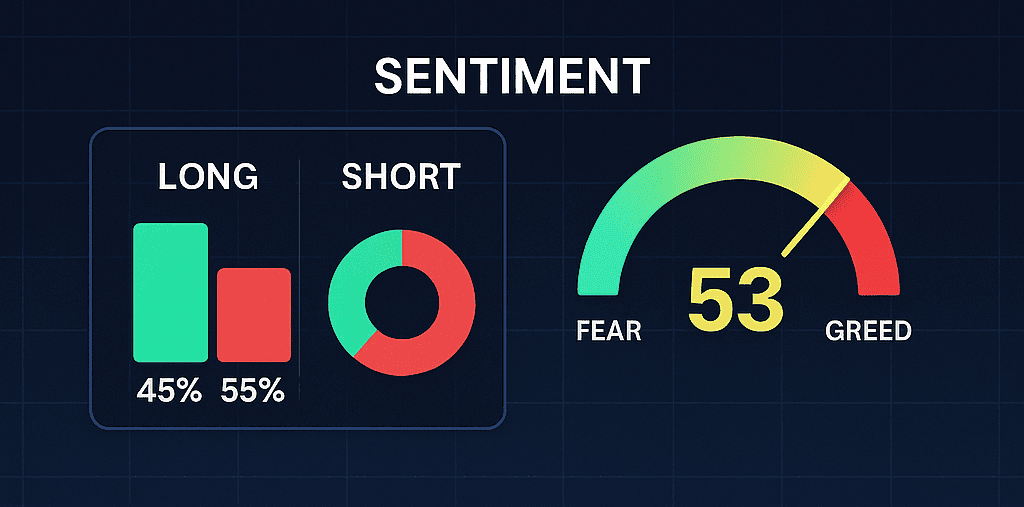
Sentiment removes bad trades.
What sentiment reveals:
-
FOMO phases
-
Fear pullbacks
-
Market exhaustion
-
Overconfidence reversals
You combine:
-
Funding rate
-
Long vs short ratio
-
RSI extremes
suggested tool:
Long vs Short Ratio Dashboard (perfect for scalping sentiment)
The Core 1-Minute Scalping Setup (Step-by-Step)
This is the actual mechanical strategy.
Follow the steps like a recipe.
Step 1: Identify market direction using structure

You look for:
-
Clean uptrend
-
Clean downtrend
-
Range
-
Fakeout patterns
If structure is messy → skip.
Also read 5 Golden Tips for Successful 1-Minute Scalping.
Step 2: Mark liquidity zones
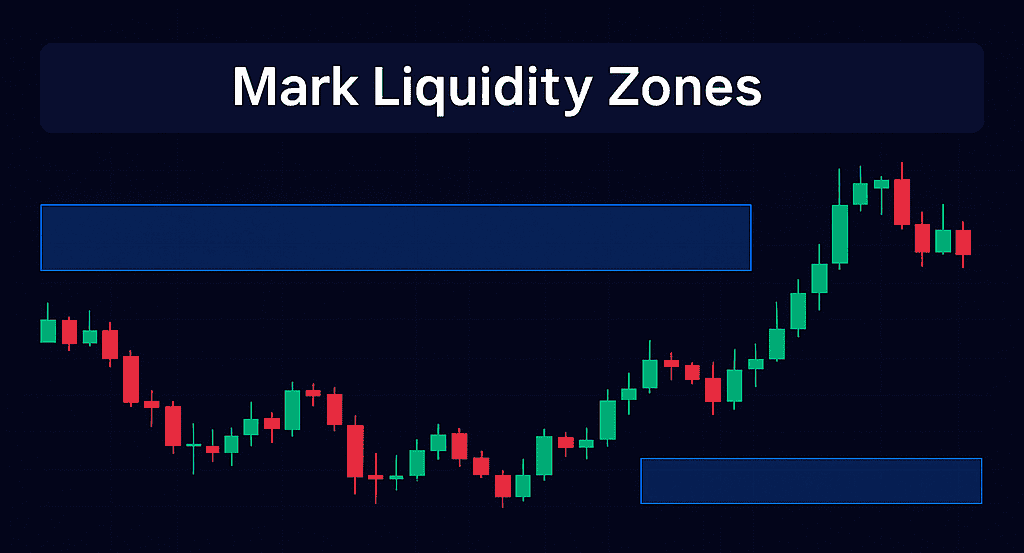
Key zones:
-
Equal highs / equal lows
-
Big wicks
-
Recent swing points
-
Session open levels
These tell you where the market wants to go next.
Step 3: Use EMAs to confirm momentum

Preferred EMAs:
-
EMA 9 (micro momentum)
-
EMA 21 (trend guide)
-
EMA 50 (bias anchor)
Rules:
-
When EMAs are stacked → BUSY MARKET
-
When EMAs are tangled → SKIP
suggested tool:
Step 4: Add RSI for exhaustion spotting
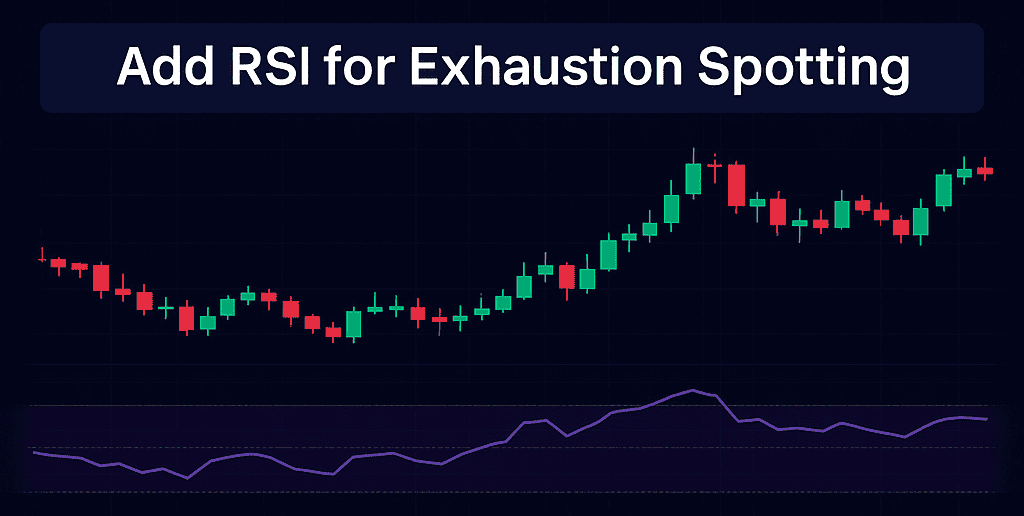
RSI is NOT an entry indicator.
RSI tells you:
-
When NOT to enter
-
When momentum is dying
-
When a breakout is weak
Set RSI: 14
Zones: <30 oversold, >70 overbought
suggested tool:
RSI Overbought/Oversold Detector
Step 5: Wait for a pullback
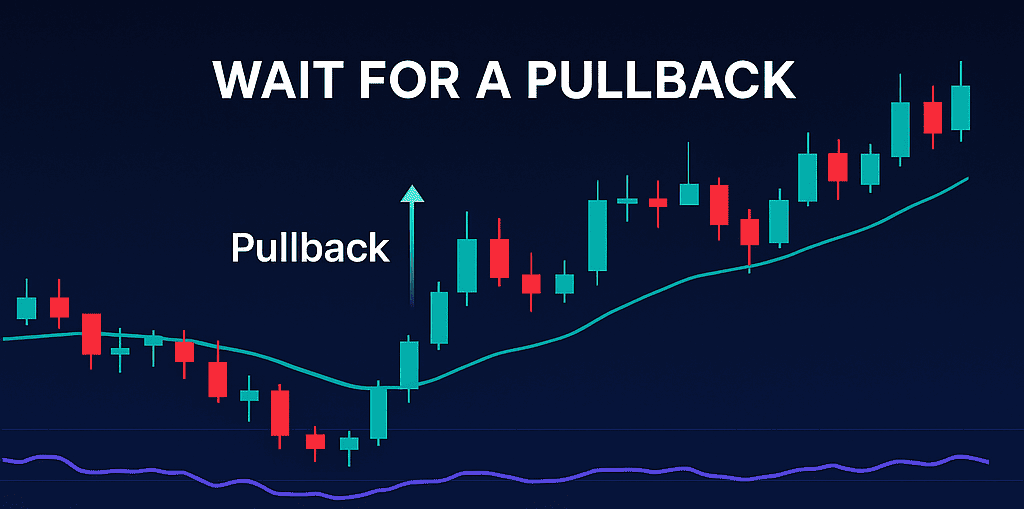
Entries happen after pullbacks, not at breakout tops.
Best pullback types:
-
EMA 9/21 bounces
-
Liquidity grabs
-
Wick rejections
-
Order block retests
Step 6: Enter on confirmation
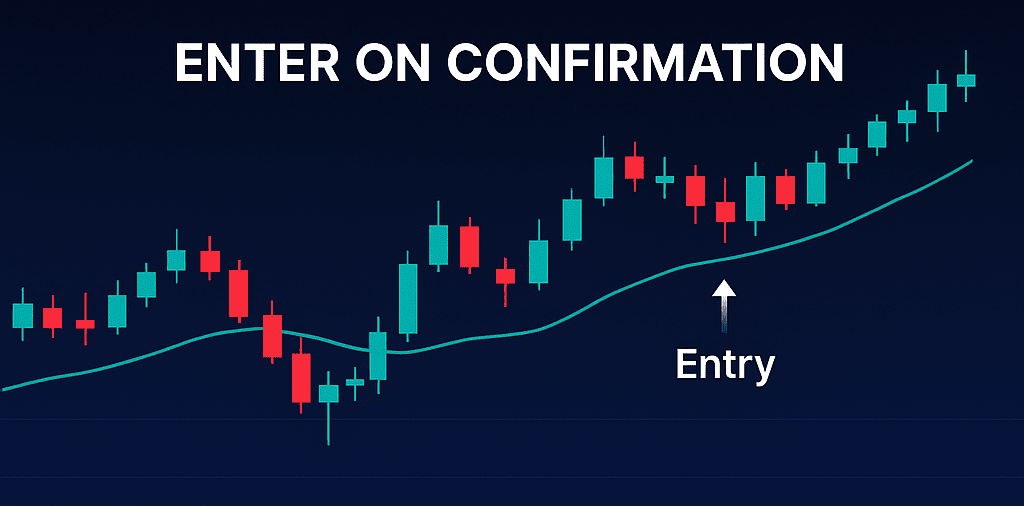
You enter when:
-
Candles flip direction
-
Volume spikes
-
EMAs align
-
RSI supports continuation
Step 7: TP/SL Management (The 3:1 Micro Model)

Use this simplified execution model:
-
Stop-loss: 0.10%–0.25%
-
Take-profit: 0.30%–0.80%
-
Break-even: After +0.20%
-
No holding hope trades
You want velocity, not patience.
This framework assumes fast fills, tight spreads, and predictable execution.
Before applying it live, make sure your exchange won’t sabotage your edge.
See exchanges optimized for 1-minute scalping
Risk Management for 1-Minute Scalpers
This is where most traders fail.
read the complete Crypto Risk Management Strategies here.
Rules:
1. Never risk more than 1% per trade
You need margin for multiple attempts.
2. No revenge trading
Revenge scalping = account drain.
3. Stop at 3–5 wins or 2 losses
Scalping is a finite-energy activity.
4. Trade only peak volatility sessions
Best windows:
-
London open
-
NY open
-
After major liquidations
suggested tool:
When NOT to Use the Strategy
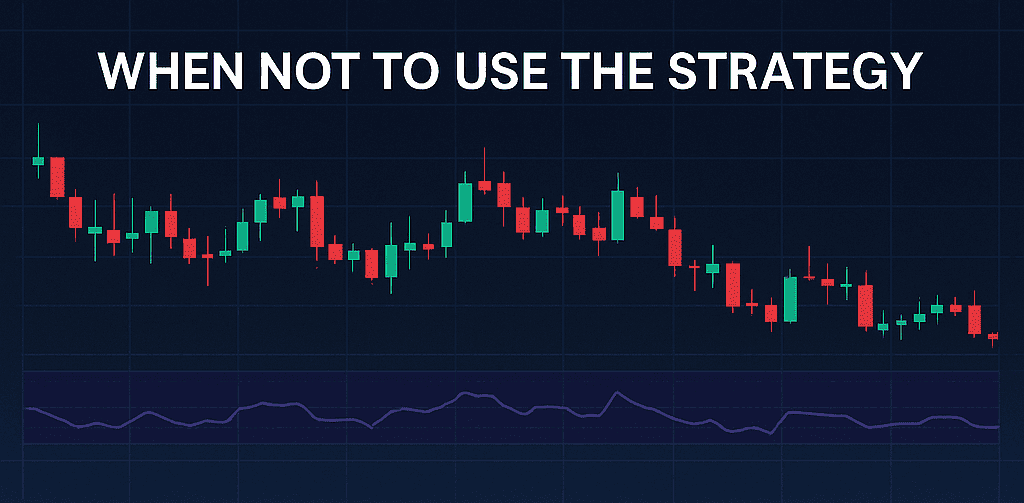
You skip trading when:
-
EMAs are flat
-
Volume is low
-
RSI stuck in midzone
-
No structure
-
Funding rate extreme (avoid squeezes)
-
Long vs short ratio above 70% on one side
Good traders skip bad markets.
Great traders skip almost all markets.
suggested tool:
Example Trades (Realistic Scenarios)
Scenario 1: Trend Continuation Scalping
-
Clear HH/HL pattern
-
EMA 9/21 bounce
-
RSI midrange
-
Sentiment neutral
Perfect low-risk environment.
Scenario 2: Liquidity Grab Reversal
-
Price sweeps previous high
-
Wick rejection
-
Volume spike
-
RSI overbought
-
Sentiment extremely long-biased
Great short scalp opportunity.
Scenario 3: Avoid This
-
Range
-
Spaghetti EMAs
-
No clean structure
-
RSI sideways
The market is telling you to stay out.
Using Tools to Automate Decisions
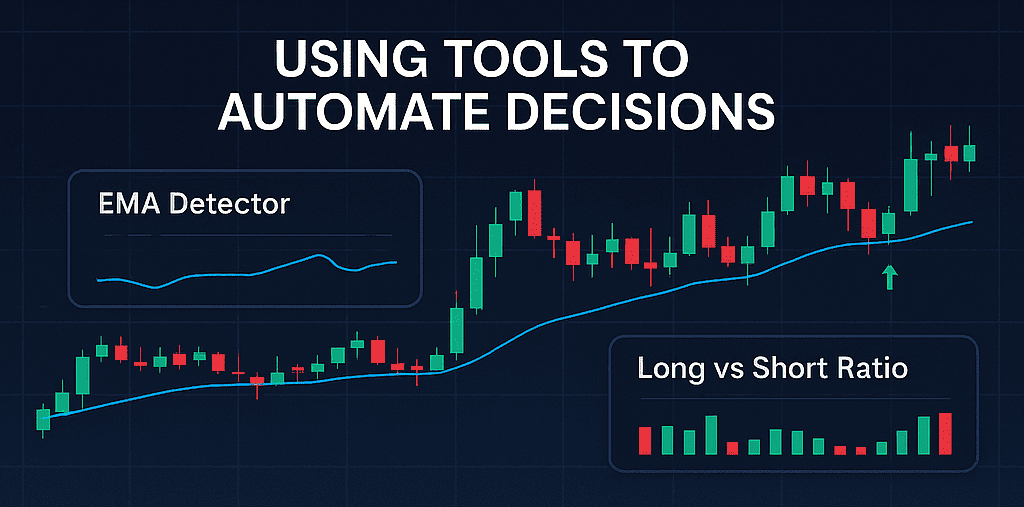
Recommended tool stack for this strategy:
-
RSI Overbought/Oversold
-
Long vs Short Ratio
-
EMA Crossover Detector
-
Doji Detector
-
Hammer & Shooting Star Detector
-
Market Opening Timer
Final Blueprint
Before finishing this, make sure to read
Beginner’s Guide to Crypto Scalping
Crypto Risk Management Strategies
Best Crypto Exchanges for Scalping
The 1-Minute Scalping Checklist
✔ Market structure clean
✔ Liquidity zone identified
✔ EMAs aligned
✔ RSI supportive
✔ Sentiment balanced
✔ Volume present
✔ Entry after pullback
✔ Stop-loss pre-defined
✔ TP 2–3x SL
✔ No emotional decisions
If it checks 8 out of 10 → take it.
If not → skip.
Strategy is only half the equation. Execution costs, latency, and spread behavior decide whether a scalping edge survives in real conditions.
Best exchanges for 1-minute scalping (execution-focused comparison)
Final Thoughts
The 1-minute chart rewards speed, discipline, and structure.
If you approach it with a clear system like the 1MS Method, supported by real-time tools, actionable sentiment data, and consistent rules, you’ll trade with confidence — not chaos.
Master the framework, refine the entries, and the market starts feeling less like noise… and more like rhythm.
This is how scalpers evolve.
26 thoughts on “The Ultimate 1-Minute Scalping Strategy Explained”