
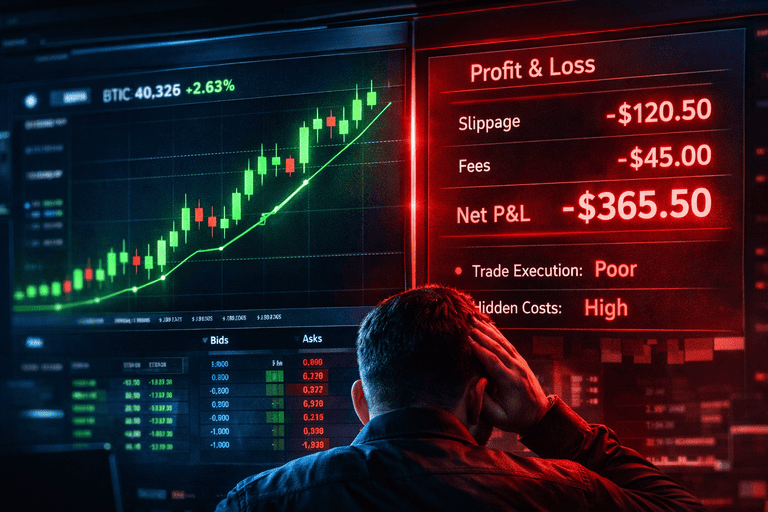
Every scalper has experienced it.
You enter a trade with a clean setup. The signal looks perfect. The direction is right. Price moves exactly as you expected.
And yet your profit is smaller than it should be. Sometimes it’s barely anything. Sometimes it’s negative.
This is one of the most frustrating realities in crypto trading. It feels like the market is working against you even when you’re right.
The truth is, your strategy is probably not the problem.
The real issue is execution.
Most traders spend months optimizing indicators, testing strategies, and refining entries. But they completely ignore what happens between clicking “buy” or “sell” and the actual order being filled.
That gap is where profits quietly disappear.
Understanding execution is what separates traders who struggle from those who consistently extract profit from the market.
The Frustrating Reality Every Scalper Faces
You take a trade that should win.
The chart confirms your bias. Momentum is there. Volume supports the move.
Price moves in your favor.
But when you close the trade, the profit feels disappointing. Or worse, it’s gone.
You check the chart again and realize your idea was correct.
So what happened?
The answer is simple and brutal: your execution was poor.
What Execution Actually Means in Crypto Trading
Execution is not just pressing a button.
It is everything that happens between your decision and your filled order.
It includes:
-
the price you expect
-
the price you actually get
-
the speed of execution
-
the hidden costs inside every trade
When you place an order, it interacts with the order book, liquidity, and matching engine.
This process creates friction.
And that friction costs money.
The 3 Hidden Killers of Your Profits
Slippage: The Silent Profit Destroyer
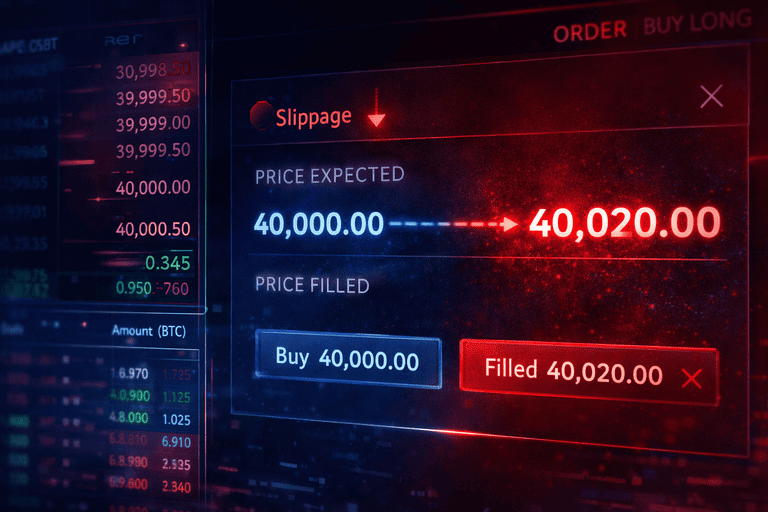
Slippage happens when your order gets filled at a worse price than expected.
In fast markets, this is unavoidable.
Example:
You click buy at 40,000
You get filled at 40,020
You are already losing before the trade even starts.
To understand this deeper, read this guide on
crypto scalping slippage.
Spread: The Invisible Cost You Pay Every Trade
Every trade starts with a loss.
Why?
Because of the spread.
The spread is the difference between:
-
the highest buyer (bid)
-
the lowest seller (ask)
When you enter a trade, you immediately pay this gap.
Before fees. Before slippage.
Learn more in this breakdown of
bid ask spread in crypto scalping .
Latency: When Speed Becomes Money
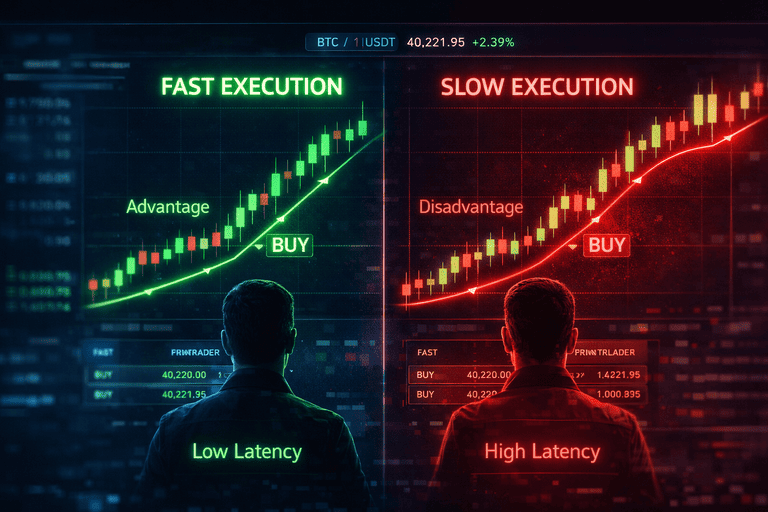
Latency is the delay between your action and execution.
Even milliseconds matter.
If your order is slow:
-
you get worse prices
-
you lose edge
If your execution is fast:
-
you get better fills
-
you gain advantage
Here’s a full explanation of
exchange latency in crypto trading
Why Your Strategy Looks Profitable But Isn’t
Most strategies look amazing on paper.
Backtests show clean profits.
But real trading is different.
Your expected result:
+2%
Reality:
-
spread takes part
-
slippage reduces accuracy
-
fees eat remaining profit
Suddenly, your edge disappears.
Or turns negative.
This is why many traders feel like they are “almost profitable.”
They are not wrong.
They are just ignoring execution.
Fees: The Final Nail in the Coffin
Even if everything else goes right, fees still hit you.
And scalpers trade a lot.
That means fees compound fast.
To understand how fees impact your trades, read
crypto scalping fees explained
You can also reduce costs using
crypto exchange VIP fee tiers and discounts 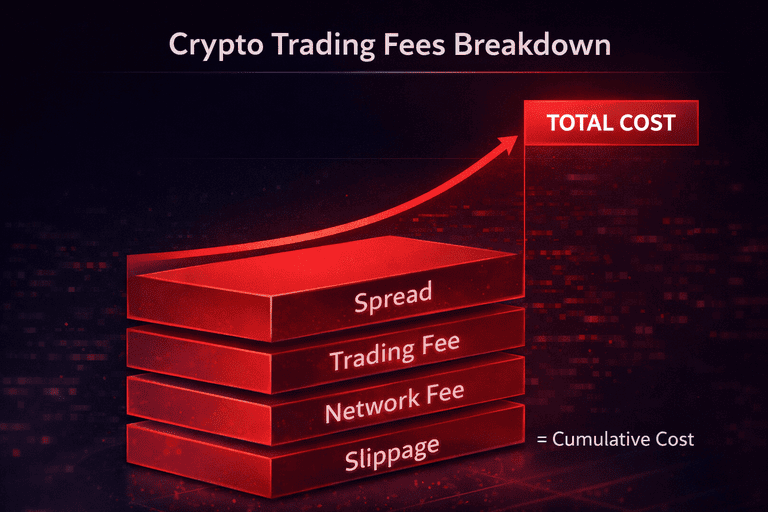
The Real Problem: You’re Solving the Wrong Thing
Most traders try to improve:
-
indicators
-
strategies
-
entries
But ignore:
-
execution
-
cost structure
-
order quality
You can have the perfect strategy and still lose money because execution is poor.
How Professional Scalpers Actually Fix This
Professional traders don’t just trade better.
They optimize:
-
exchange selection
-
execution speed
-
liquidity conditions
-
fee structures
They understand that small improvements in execution create massive long-term gains.
How to Fix Your Execution Step by Step
Choose the Right Exchange
Not all exchanges are equal.
Some have tighter spreads, faster execution, and deeper liquidity.
Start here:
best exchange for scalping crypto
Use Better Order Types
Market orders are fast but expensive.
Limit orders give you control.
Learn how to use them:
IOC order explained
Post-only order explained
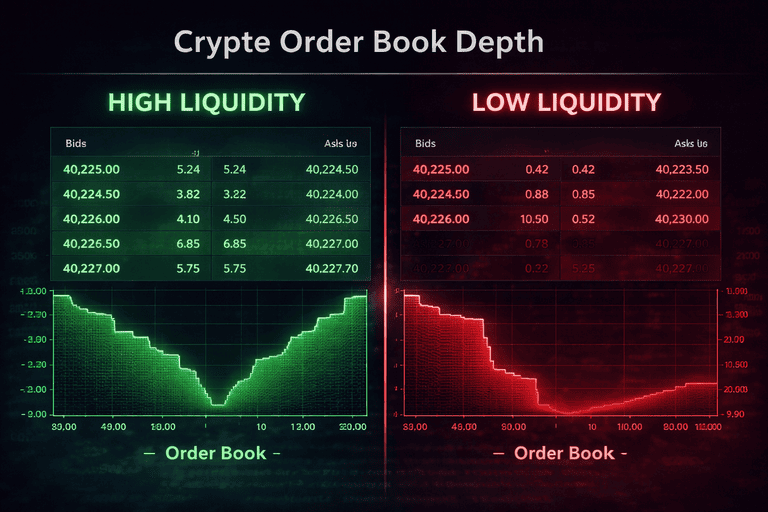
Trade During High Liquidity
Low liquidity increases slippage.
High liquidity improves execution.
Best timing matters:
best time for scalping crypto
The Hidden Advantage Most Traders Ignore
Fixing execution often improves results more than changing strategy.
That’s why beginners struggle.
And professionals scale.
Combine Execution and Tools for Real Edge
When you combine strong execution with smart tools, you gain a real advantage.
Explore tools here:
1 minute scalper toolkit
Use signals smarter:
crypto signals
Final Thoughts Execution Is the Real Strategy
Most traders chase the perfect indicator.
But the real edge is simpler:
Get better fills.
Reduce hidden costs.
Optimize execution.
Do that, and your current strategy will suddenly start working.
Final Step Take Action
If you are serious about scalping, stop focusing only on entries.
Start focusing on where your money actually goes.
Compare execution quality and trading conditions here:
best exchange for scalping crypto
Frequently Asked Questions
Why do I lose money even when my trade direction is correct?
Because direction alone is not enough in scalping.
Even if price moves where you expected, hidden costs like spread, slippage, and fees reduce your profit. In some cases, they completely cancel it out.
This is why execution matters more than most traders realize.
What is slippage in crypto trading?
Slippage is the difference between the expected price of a trade and the actual price you get.
It usually happens in fast-moving markets or when liquidity is low.
To understand it in detail, read
crypto scalping slippage
What is the spread and why does it matter?
The spread is the gap between the highest bid and the lowest ask price.
Every time you enter a trade, you pay this cost instantly.
In scalping, where profits are small, the spread can significantly impact your results.
Learn more here
bid ask spread crypto scalping
How do trading fees affect scalping?
Scalping involves many trades, which means fees accumulate quickly.
Even small fees can destroy profitability over time.
You can learn more here
crypto scalping fees explained
What is latency in crypto trading?
Latency is the delay between placing an order and it being executed.
Faster execution usually results in better prices, while slower execution can lead to worse entries and exits.
Full guide here
exchange latency crypto trading
How can I improve my execution in crypto trading?
You can improve execution by:
-
choosing a fast and reliable exchange
-
trading during high liquidity periods
-
using limit or post-only orders
-
reducing fees through better fee tiers
Start by comparing platforms here
best exchange for scalping crypto
Is execution more important than strategy?
In many cases, yes.
A good strategy with poor execution can lose money.
A decent strategy with strong execution can be profitable.
Execution is often the hidden factor that separates winning traders from losing ones.
What is the best time to scalp crypto?
The best time to scalp is during high liquidity and volatility, when spreads are tighter and slippage is lower.
You can learn more about timing here
best time for scalping crypto
Which order type is best for scalping?
Market orders are fast but can lead to slippage.
Limit and post-only orders give more control and can reduce costs.
Learn how they work here
IOC order explained
Post-only order explained
Can tools help improve execution?
Yes.
Using tools like scanners, dashboards, and real-time signals can help you make faster and more informed decisions.
Explore available tools here
1 minute scalper toolkit