
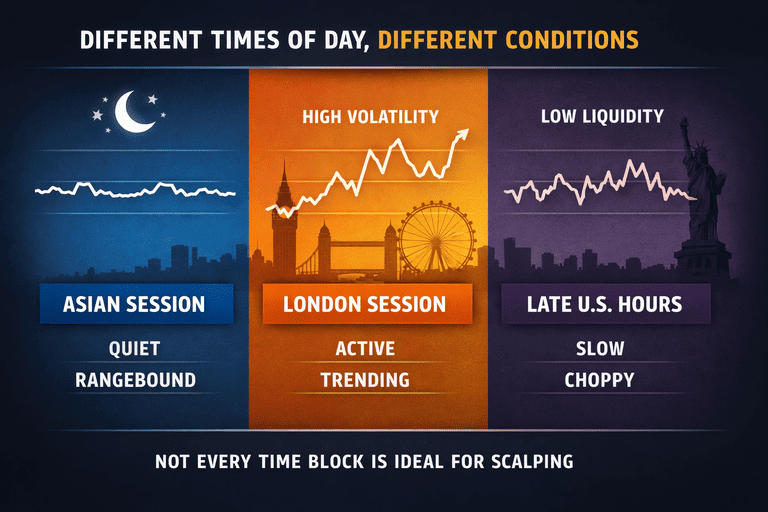
Most new scalpers obsess over indicators, entries, and screenshot examples — and then wonder why the exact same setup wins at one time of day and completely fails at another.
The truth is simple:
The 1-minute chart doesn’t behave the same all day.
Liquidity shifts.
Volatility expands and then disappears.
Spreads widen and tighten.
Breakouts that look perfect suddenly turn into traps.
A strategy that looks incredible on paper can quietly bleed if you use it at the wrong time.
If you’re still getting comfortable with the basics and want a clearer big-picture view first, it helps to read a simple introduction that explains scalping in a realistic, non-hype way. You can check it out here:
beginner-friendly overview of how scalping actually works.
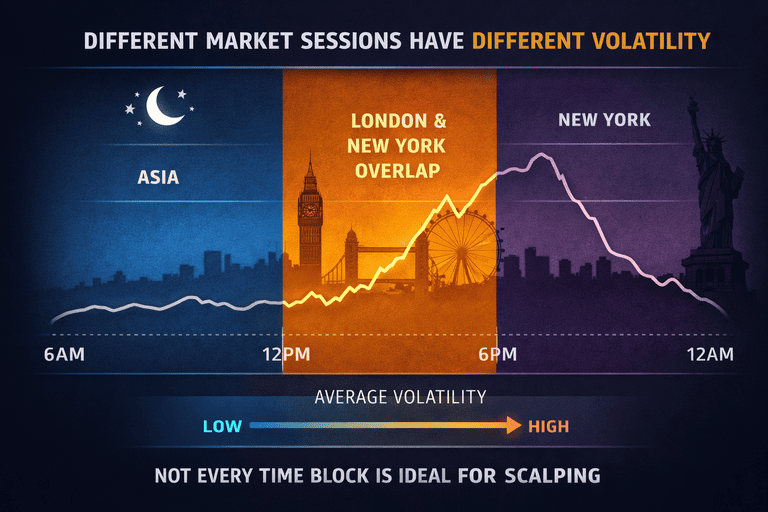
Markets Don’t Move the Same 24/7
Crypto trades all day, every day — which makes many traders assume:
“If it’s always open, it must always be tradable.”
Not exactly.
Some hours are slow and choppy.
Some windows produce clean directional moves.
Others move fast, but punish hesitation instantly.
On the 1-minute chart, these differences are magnified — both the opportunity and the risk.
That’s also why understanding risk becomes non-negotiable. Fast markets can be amazing, but they also expose every mistake. If you sometimes feel like losses snowball too quickly, this breakdown is worth saving:
practical ways to protect yourself when things move fast.
What This Guide Will Help You Understand
In this article, we’ll look at:
which times of day usually offer cleaner setups
when spreads and slippage quietly eat your profits
how different trading sessions behave
how to choose timing that matches your style
There’s no “magic universal hour.”
But there ARE patterns that repeat often enough to help scalpers make better decisions.
And timing is only half the story. When volatility increases, execution quality and trading costs start to matter way more than most people think. If you’ve ever noticed that fills feel different on some platforms when things get busy, this explains why:
how execution, spreads and fees impact short-term trades.
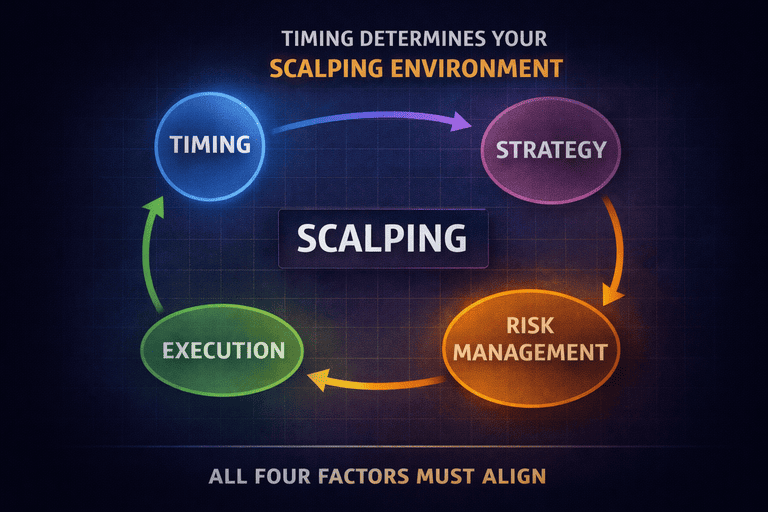
A Simple Way to Think About Timing
Timing isn’t another indicator.
Think of it like this:
• indicators help you read signals
• your strategy gives structure
• timing sets the environment
And the environment always wins.
Use a great strategy at the wrong time and it feels broken.
Use something simple when the market is moving cleanly — suddenly it feels easier and calmer.
Next, we’ll start walking through how different times of day usually behave, and why some windows consistently create better opportunities than others.
Why Timing Changes the Way the 1-Minute Chart Behaves
Even though crypto trades nonstop, the market still follows a rhythm.
Different regions wake up, institutions log in, algorithms turn on, and liquidity flows in and out.
When that happens, the 1-minute chart changes personality.
Sometimes it grinds sideways.
Sometimes it trends beautifully.
Sometimes it becomes a noisy mess that stops out everyone.
To understand the best time for scalping, it helps to think in “time blocks” instead of clock hours.
Traders usually talk about four main windows:
-
Asian trading hours
-
European / London hours
-
The London + New York overlap
-
Late U.S. hours and overnight quiet periods
Each one has its own behavior — and knowing those behaviors helps you decide whether to scalp aggressively, scale back, or simply wait.
Before we walk through them one by one, there’s one principle that’s worth keeping in mind:
More movement does not automatically mean better trades.
Fast markets feel exciting, but they also require tighter risk control and better execution. If your position sizing or stops are inconsistent, bigger moves can become emotionally exhausting very quickly — something we break down in more depth in our guide to staying disciplined with position risk and losses.
The Asian Session: Calm, Controlled… and Sometimes Sneaky
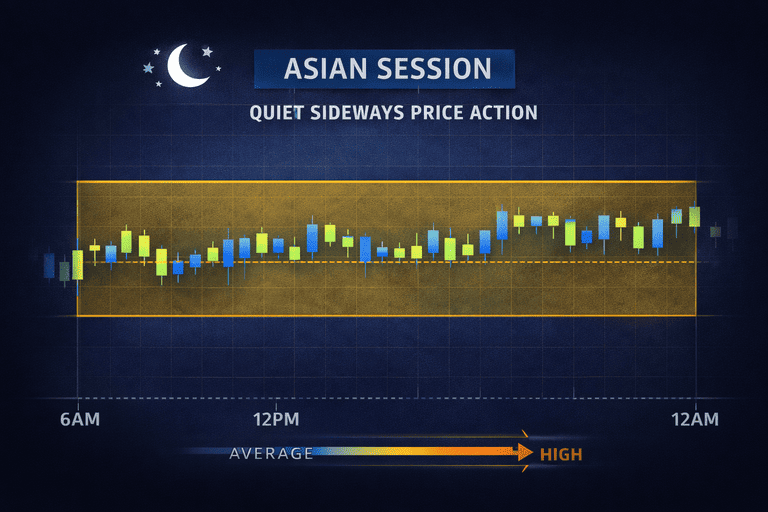
During Asian hours, the market usually feels quieter.
You’ll often see:
• tighter ranges
• slower candles
• fewer explosive breakouts
• more “fake” micro-moves that fail quickly
For scalpers who like patience and structure, this environment can actually be good. Range trading, mean reversion, and slow momentum entries can work when price behaves predictably.
But there’s a hidden risk:
Because volatility is lower, spreads and fees take a bigger percentage of every trade. What looks like a small win can evaporate after execution costs.
If you like trading during calmer times, it helps to lean toward clean setups, avoid over-trading, and stay picky. For a strategic refresher on building discipline and reading price logically instead of emotionally, many traders find it useful to revisit the broader scalping framework and reconnect with the fundamentals that actually matter over the long run.
revisit our main 1-minute scalping framework.
The London Session: Structure Begins to Show Up
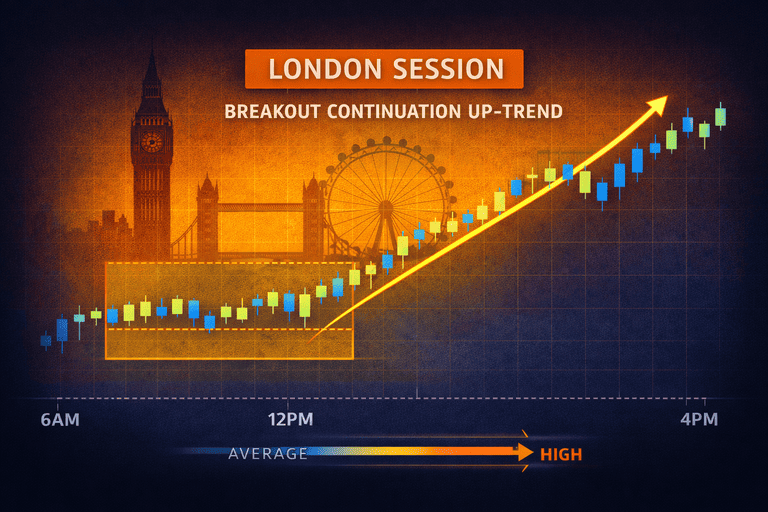
When Europe wakes up, everything usually changes.
Liquidity increases.
Momentum starts building.
Breakouts have a higher chance of following through.
You’ll often notice:
• clearer trends
• stronger pushes after consolidations
• technical levels reacting more cleanly
• more opportunities — but also more traps if you chase too late
For many scalpers, this is one of the best environments to work in, simply because the market starts behaving in a more organized way.
However, stronger movement also means:
stops get hit faster
hesitation becomes costly
emotional trading becomes tempting
This is where having a consistent plan pays off. Knowing how you want to enter, where you want to exit, and how you manage risk removes a lot of stress — especially when price finally starts moving with purpose.
The London + New York Overlap: Maximum Opportunity, Maximum Discipline
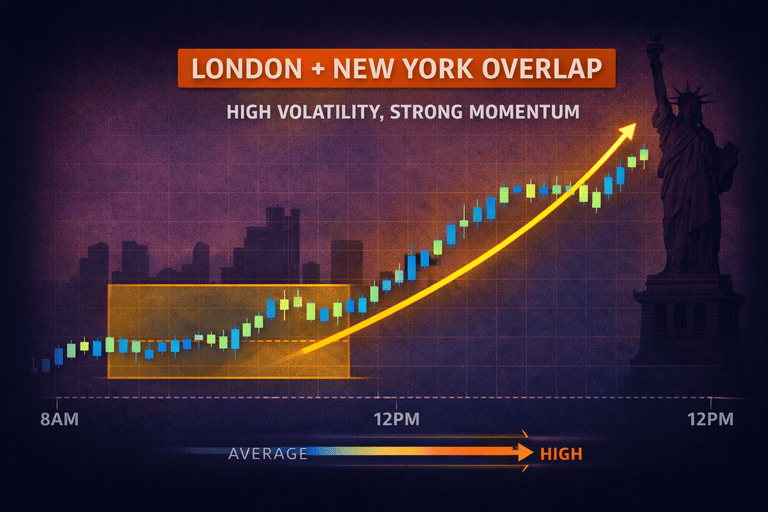
The busiest window of the day is when London and New York are both active.
This is usually where:
• volatility spikes
• volume increases
• big directional moves develop
• news can amplify everything
For skilled scalpers, this period can offer incredible opportunity. Moves are fast, clean breakouts can actually continue, and momentum trades feel “alive.”
But this is also the environment where poor habits get punished instantly:
chasing
random leverage increases
widening stops to “save” losing trades
Execution quality matters more here than almost anywhere else. Slippage, spreads, and order routing start playing a noticeable role. Traders who understand that side of the game tend to survive longer than those who ignore it.
The key mindset is simple:
Treat this period with respect. It’s powerful — not guaranteed.
Late U.S. Session and Quiet Hours: When Patience Wins
As things slow down later in the day, the market often turns choppier.
Volume dries up, algorithms take over, and price movements feel random.
You might see:
• sharp spikes followed by instant reversals
• fake breakouts around obvious levels
• long stretches of slow, frustrating movement
For most scalpers, this is the worst time to force trades.
If you notice yourself taking trades “just to do something,” it’s usually better to walk away, reset, review your journal, or prepare for the next active window instead of fighting the conditions.
So When Is Actually the Best Time to Use a 1-Minute Scalping Strategy?
Now that we’ve walked through how different periods behave, we can start answering the real question more directly.
There isn’t one universal “best hour” that works every single day.
But there are clear patterns that repeat often enough that they’re worth planning around.
Most scalpers tend to get the best combination of movement, structure, and follow-through during two main windows:
-
When London is active
-
When London and New York overlap
Those periods usually offer enough volatility to create opportunity, while still maintaining some structure so price doesn’t feel completely random.
During calmer hours, you can still trade — but you need to adjust expectations, reduce position size, and stay far more selective.
Let’s break this down more clearly.
Why London Hours Are Often So Effective
When the European markets come online, participation increases and price starts reacting more cleanly to key levels.
You’ll often see:
• trends begin forming
• breakouts that continue instead of instantly snapping back
• pullbacks that respect structure
• clearer areas where buyers or sellers are defending
This environment rewards patience and planning. Waiting for consolidations, pullbacks, and retests tends to work better than chasing every small candle.
For traders who like rules and structure, this is one of the most manageable times of day. If you find yourself getting emotional or over-reacting during fast markets, the clarity of this session can be a huge advantage.
If you want a reminder of how to build a simple, logical plan instead of reacting to every tick on the screen, it can be helpful to revisit the broader scalping framework so your timing decisions connect to a structured process, not guesswork.
Why the London + New York Overlap Creates So Many Opportunities
When both regions are active, liquidity and volatility combine. The market can move further, faster, and with stronger momentum.
This is where you’ll often see:
• strong directional pushes
• breakout continuation trades
• intraday trends forming and extending
• rapid reactions to news and economic events
The edge here isn’t just about spotting setups.
It’s about controlling yourself.
If you chase, over-size, or widen stops, this window will punish you quickly. But if you already have an approach you trust and you stay disciplined, this period can become your highest-quality trading window.
It’s also the one time of day where execution quality really shows. Higher volatility means spreads and fees matter more than usual. If you’ve ever wondered why the same trades feel more expensive or harder to fill during busy periods, it usually comes down to execution, order routing, and trading costs. Our guide on choosing better platforms explains this in more detail and helps you avoid unnecessary friction over time.
When Conditions Look Good but Trades Still Fail
One of the most frustrating experiences for scalpers is trading at an “active” time and still losing consistently.
That usually happens because timing and strategy are out of sync.
Range strategies used during strong trends
or
breakout strategies used during quiet hours
almost always lead to confusion.
This is why knowing the environment matters. Not just the hour on the clock, but the type of movement happening right now.
Before entering a trade, it’s useful to pause and ask:
• Is price trending or ranging?
• Are candles moving smoothly or whipping back and forth?
• Are liquidity and volume clearly present?
Sometimes the best decision is simply to wait.
Patience is a skill — and for scalpers, it is often the difference between consistent results and endless frustration.
Putting It All Together: The Best Times, The Worst Times, and How to Adapt
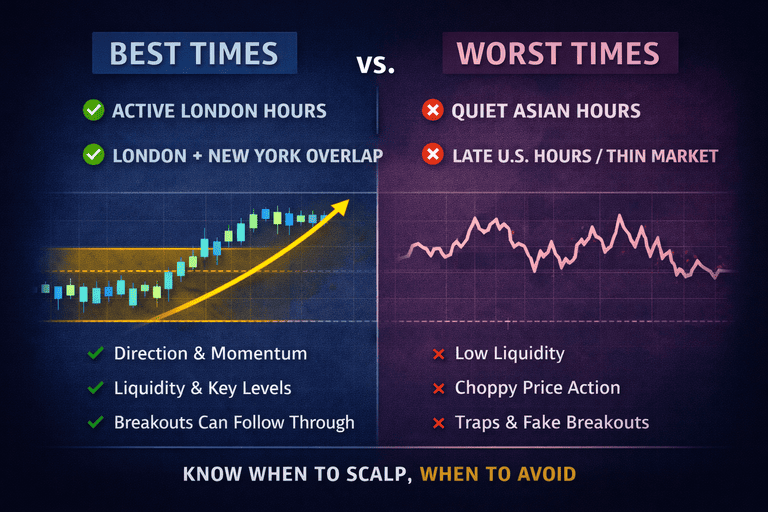
At this point, we can answer the question more clearly — without pretending there’s a single magic hour that works for everyone.
There are time windows that statistically offer better structure, cleaner movement, and more opportunity for the 1-minute chart.
And there are windows that create more frustration than progress.
Here’s the practical breakdown.
The Times That Usually Offer the Best Conditions
In most cases, scalpers tend to see their best setups during:
• active London hours
• the overlap between London and New York
These periods often combine:
• direction
• liquidity
• follow-through
• visible reaction around key levels
If you’re still developing discipline, these windows often feel “fair.” Price behaves in a way that makes sense. You can wait, plan, and react instead of guessing.
This is also when having a simple, structured approach helps the most. If you haven’t gone through a full framework in a while, revisiting the main strategy breakdown can help you connect timing, entries, exits, and risk into one consistent process, rather than separate ideas floating around your head.
Times That Can Work — But Require More Patience
Calmer periods, especially during quieter Asian hours, are not automatically bad.
They simply require adjustments:
• take fewer trades
• expect smaller moves
• tighten risk
• avoid chasing every tiny breakout
The traders who struggle the most here are the ones trying to force momentum that isn’t really there.
If you trade these hours, focus on clean setups and realistic expectations. Let the market come to you rather than pushing buttons because you feel bored.
Times That Are Usually Not Worth It
The periods that tend to cause the most damage are the slow, thin, late-day hours where:
• liquidity drops
• price drifts unpredictably
• bots and random spikes dominate
You’ll often see price poke above obvious highs, immediately reverse, then chop sideways. For a scalper, that environment is emotionally exhausting and rarely rewarding.
There is nothing wrong with not trading.
Reviewing previous trades, journaling, studying charts, or preparing for active sessions usually creates more progress than forcing low-probability setups during dead hours.
Why “Best Time” Still Depends on Your Personality
Two traders can look at the same chart and prefer completely different windows.
Some people thrive in fast, volatile environments and stay calm under pressure. Others trade better when the market is slower, cleaner, and more predictable.
That’s why the real takeaway isn’t:
“This is the one best time to scalp.”
It’s closer to:
“Certain windows have tendencies. Choose the ones that match how you think, and avoid the ones that trigger your worst habits.”
If you combine that mindset with a clear process, risk discipline, and platforms that don’t quietly eat profits through fees and slippage, your trading starts to feel far more intentional — instead of random.
A Practical Checklist: Choosing the Best Time for Your Scalping Style
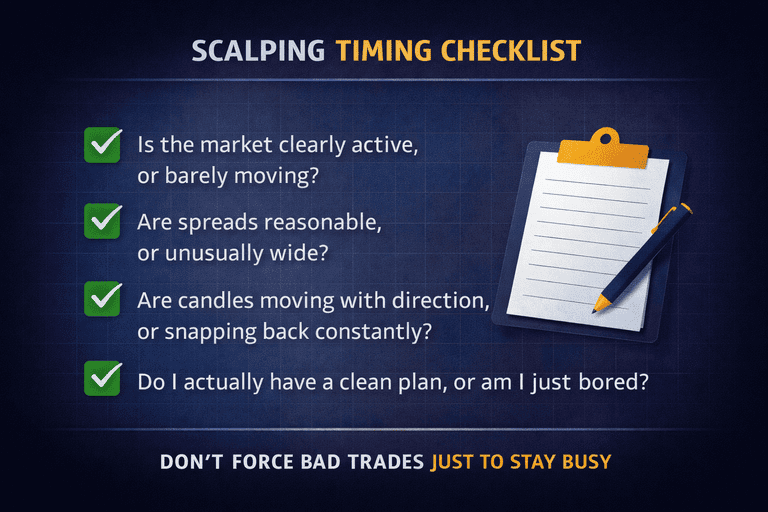
Instead of trying to memorize exact clock hours, think in terms of behavior and probability.
Before you start trading, run through a simple checklist like this:
• Is the market clearly active, or barely moving?
• Are spreads reasonable, or unusually wide?
• Are candles moving with direction, or snapping back constantly?
• Do I actually have a clean plan, or am I just bored?
If conditions look slow, thin, and random, forcing trades usually leads to frustration.
If price is moving with structure and volume, opportunities tend to come to you naturally.
This perspective alone can dramatically reduce bad decisions.
If you ever feel lost about building structure around your trading — from entries and exits to stop placement and expectations — it may help to revisit a full, structured overview so timing becomes one part of a bigger, more stable approach rather than something you guess each day.
The Short Answer: When Is the Best Time to Use a 1-Minute Scalping Strategy?
Based on how the market behaves most of the time, the most consistent windows tend to be:
• active London trading hours
• the overlap between London and New York
Calmer Asian hours can still work, but usually with smaller expectations and tighter risk.
Late, thin, unpredictable hours are usually not worth it for most traders.
There will always be exceptions. News can hit at unusual times. Some days trend all day, others chop the entire session. That’s why the goal isn’t to memorize a rigid timetable — it’s to understand how the environment changes and adapt accordingly.
Timing gives context.
Your strategy gives structure.
Your risk rules keep you in the game.
If you want to go deeper into building safer habits around capital protection — especially during fast markets — this guide offers practical ways to approach losses, position sizing, and downside planning without turning trading into guesswork:
a practical breakdown of risk management for active traders.
And because more active windows also expose bad order quality and unnecessary fees, understanding execution matters more than most beginners realize. Over time, it can literally be the difference between a strategy that works and one that slowly bleeds. If you haven’t reviewed that side yet, this resource is worth reading:
how fees, spreads and execution impact short-term trading.
Final Thoughts
There isn’t one “secret time” where every trade works.
But there are predictable rhythms in the market that give scalpers better conditions than others.
If you focus on:
• trading during active, structured periods
• staying patient during slow markets
• avoiding emotional trades in unpredictable hours
• respecting risk, even when setups look perfect
your results become more consistent — not because you found a miracle indicator, but because you finally started trading in the right environment.
1 thought on “Best Time of Day to Use a 1-Minute Scalping Strategy (Backed by Real Market Behavior)”